Electric Vehicle Exports to Nepal Face Major Delays and Discrimination at Zhangmu Port


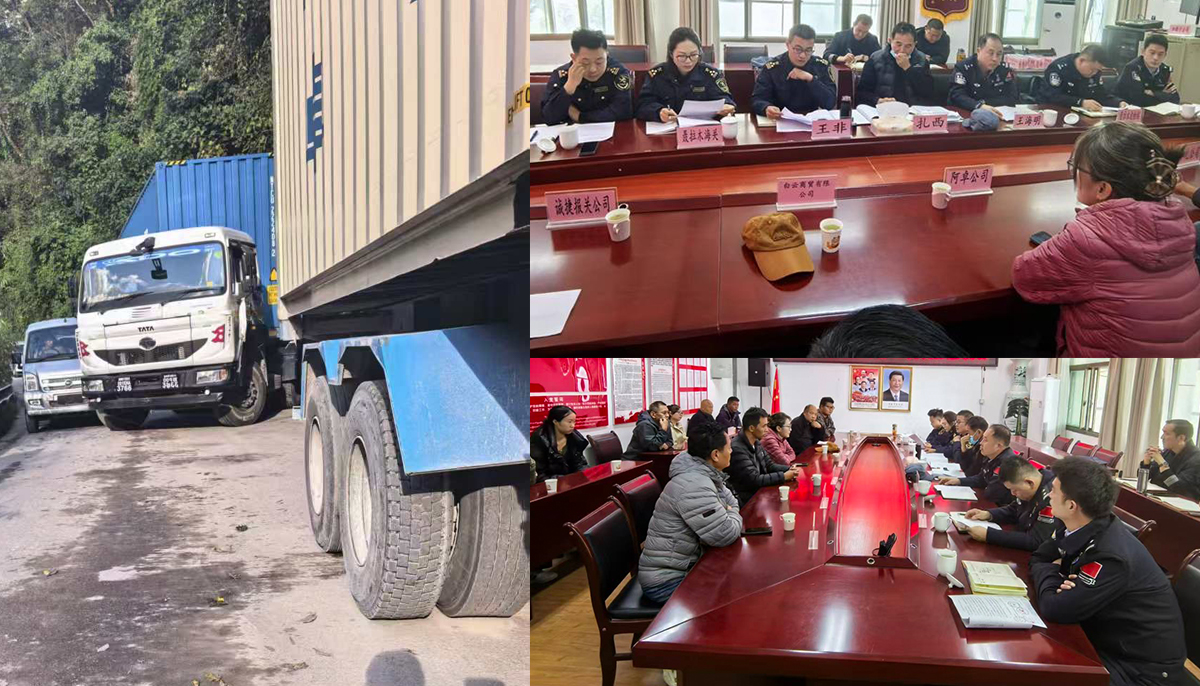
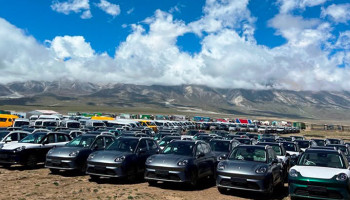
Electric vehicle (EV) exports to Nepal through Zhangmu Port are currently facing significant logistical and administrative challenges, raising concerns among Chinese exporters and Nepali importers alike.
According to reports, when new energy vehicles are transported from Nyalam County to Zhangmu Port, they are strictly monitored by the Port Management Committee and must obtain a special travel permit.

However, this requirement does not apply to general goods vehicles, such as department store or agricultural transport trucks, which can pass freely with long-term permits. In contrast, EV transporters are often denied special permits under the pretext of “port congestion,” causing unnecessary delays and discrimination.
The situation worsens at the Quxiang Checkpoint in Nyalam, where EV shipments typically face a 3–5 day waiting period—sometimes even longer—just to receive approval. This extended waiting time increases both the operational and financial burdens on exporters.

Even after reaching the customs zone at Zhangmu Port, electric vehicles face unfair queuing practices. EV carriers must line up alongside general cargo trucks, yet agricultural and retail transporters frequently bypass the queue, forcing EV shipments to wait indefinitely. This has led to repeated delays and disrupted logistics schedules for many new energy vehicle companies.
To make matters worse, reports indicate that some EV transport operators have faced verbal abuse and threats from other enterprises during the customs clearance process, reflecting deeper issues in port management and fair trade practices.
Given Nepal’s growing demand for electric vehicles, experts emphasize that immediate regulatory reform and improved coordination are needed. Streamlining port procedures and ensuring fair treatment at Zhangmu could significantly improve cross-border EV trade and strengthen the sustainable transport partnership between China and Nepal.

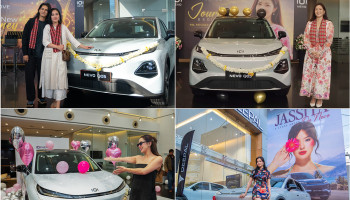
Changan Nevo Q05 Delivered to Five Nepali Celebrities
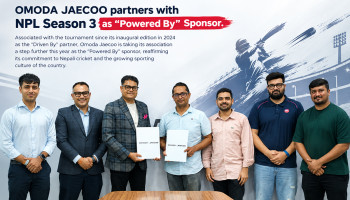
Omoda Jaecoo Continues Nepal Premier League Partnership for 2026